



Ho Chi Minh City’s Luxury Real Estate Market Rallies Ahead
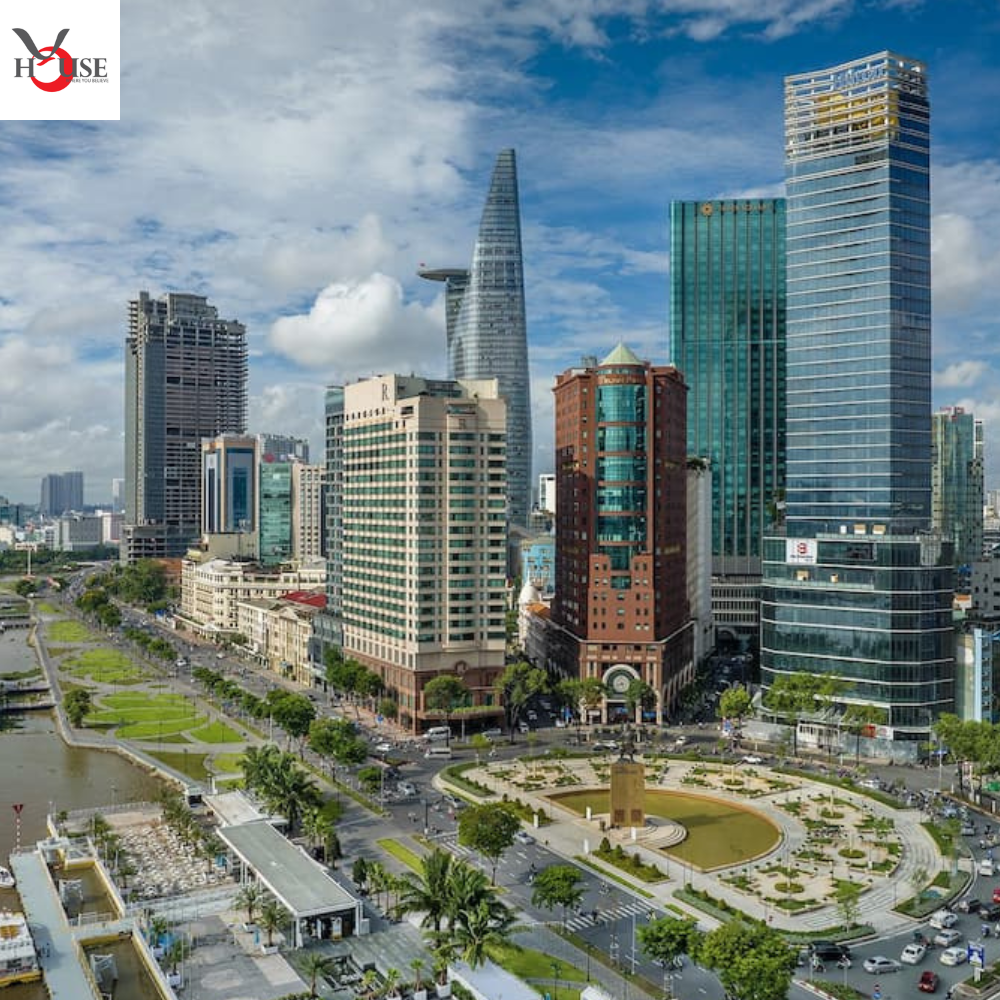
(VHouse Vietnam) – With less than two weeks until the Binh Ngo Lunar New Year, while the provincial land plot segment is slowing due to “holiday mode” sentiment, the Ho Chi Minh City real estate market is witnessing an interesting paradox: purchasing power is soaring in the luxury and high-end segment. The primary driver is not domestic capital, but a record wave of remittances and the direct participation of overseas Vietnamese, thanks to new legal frameworks.
1. “Foreign” Capital Activates the Domestic Market in February 2026
According to the latest data released by the State Bank of Vietnam’s Ho Chi Minh City branch in early February 2026, remittances flowing into the city in 2025 and January 2026 are estimated to exceed $10 billion, a 15% increase year-on-year. Notably, instead of being saved or invested in gold as in previous years, approximately 30-40% of this capital is flowing directly into Ho Chi Minh City real estate.
Why this shift? 2026 marks a crucial milestone as the amended Land Law and the Real Estate Business Law have been in practical effect for over a year. The biggest highlight is the regulation allowing overseas Vietnamese to own houses and land use rights nearly on par with domestic citizens. No longer needing to risk putting property under a relative’s name, overseas Vietnamese now confidently return with their passports to “close deals.”
This has created a strong demand force for Ho Chi Minh City real estate just before Tet – a period when the market typically “hibernates.”
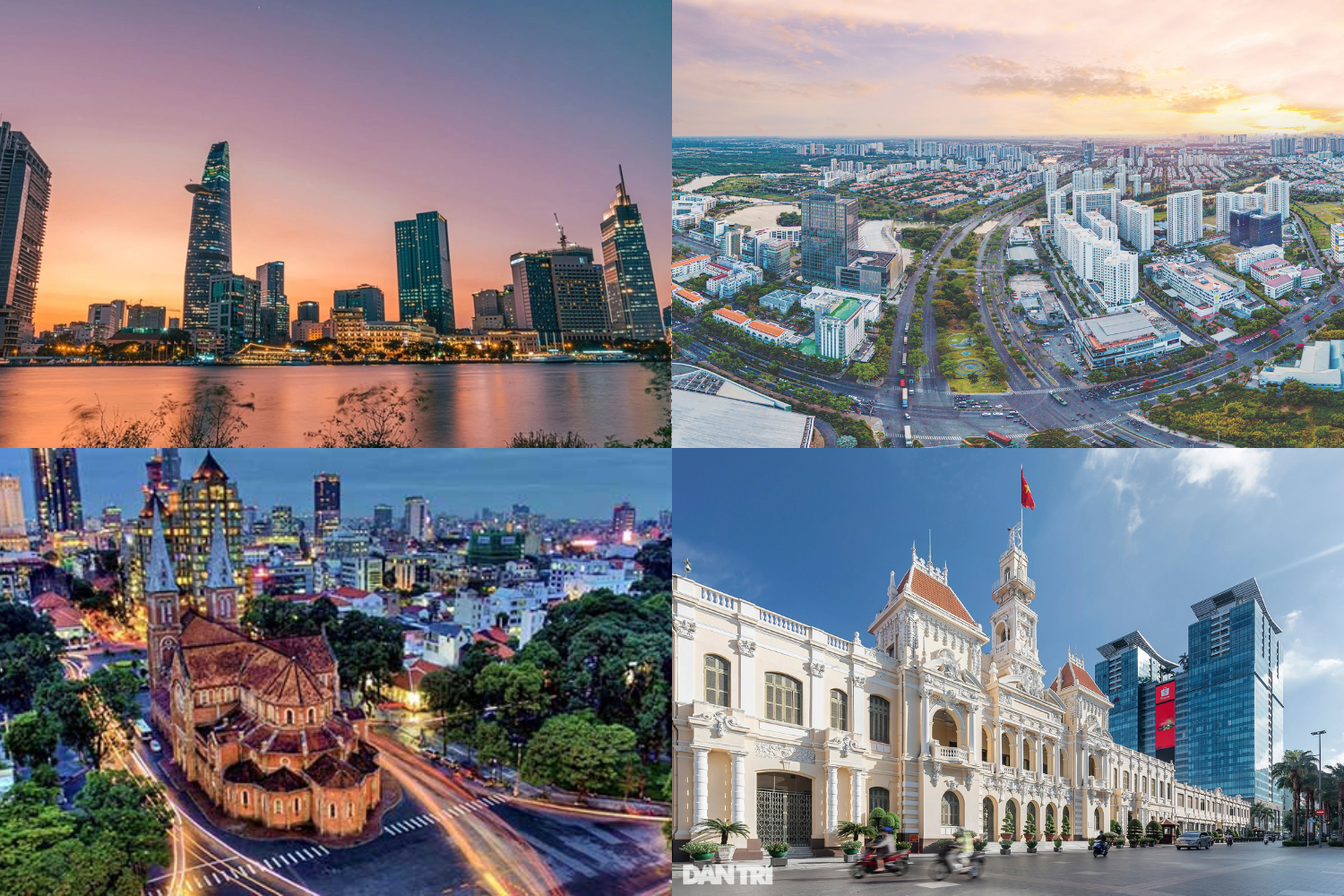
2. Shifting Investment “Appetite”: Why is Central Ho Chi Minh City Real Estate Selling?
A survey by VHouse Vietnam at trading floors in District 1, the new Thu Thiem Urban Area (Thu Duc City), and South Saigon in the first 10 days of February 2026 shows that booking volumes continue to rise steadily.
-
Luxury Apartments: A Safe Haven
For remittance capital, safety and rental potential are top priorities. Ho Chi Minh City real estate in the luxury apartment segment (priced from $6,000 – $10,000/m² in District 1 or along the Saigon River) is the favored “dish.”
The reason is that the supply of apartments in central Ho Chi Minh City is nearly exhausted. New projects launched in Q1 2026 can be counted on one hand. This scarcity ensures asset value is not eroded by inflation and offers stable USD rental yields of around 4-5% per annum. -
Commercial Townhouses (Shophouses): The Golden Goose
Besides apartments, rows of Shophouses in well-planned large urban areas in Thu Duc City are also in sight. With an overseas investor mindset, they prioritize areas with complete infrastructure, 24/7 security, and a well-mannered community. Therefore, Ho Chi Minh City real estate within enclosed compounds currently has significantly better liquidity than frontage houses on smaller, noisy, and dusty streets.
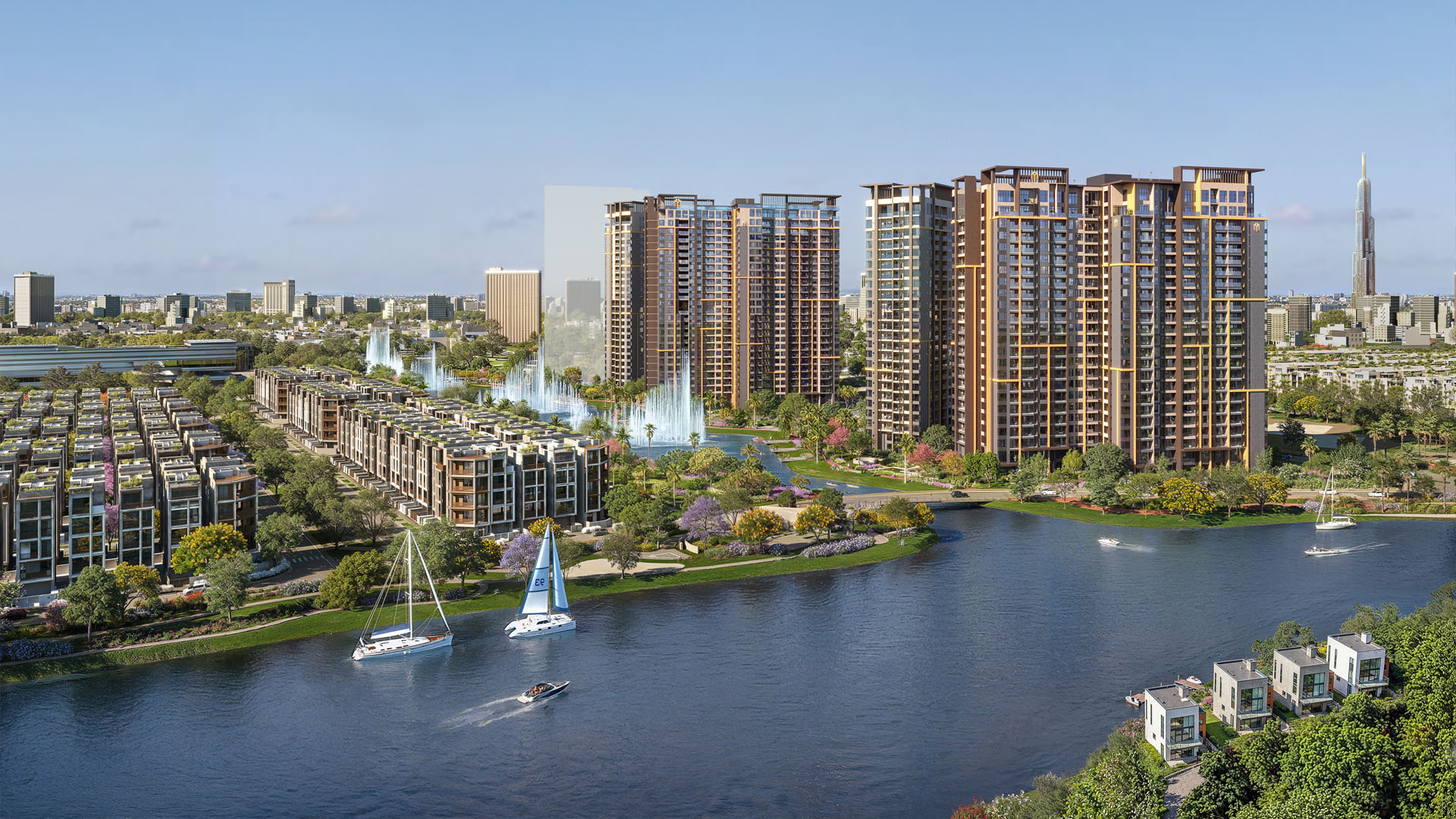
3. Ho Chi Minh City Real Estate and the Price Paradox on Tet’s Eve
Another notable development in early February 2026 is a clear price divergence.
While the secondary market in outlying districts like Binh Chanh and Hoc Mon shows slight price declines as homeowners need cash for Tet, the primary market prices in central Ho Chi Minh City continue to set new records.
-
Thu Thiem Area: Actual transaction prices have reached 250 – 300 million VND/m².
-
District 7: New high-end apartment projects along Nguyen Luong Bang street have established a price benchmark above 100 million VND/m².
This shows that Ho Chi Minh City real estate shows no signs of a “deflating bubble” as some feared. Instead, it is establishing a new price tier specifically for the affluent class and foreign capital, completely separate from the actual housing needs of the majority.
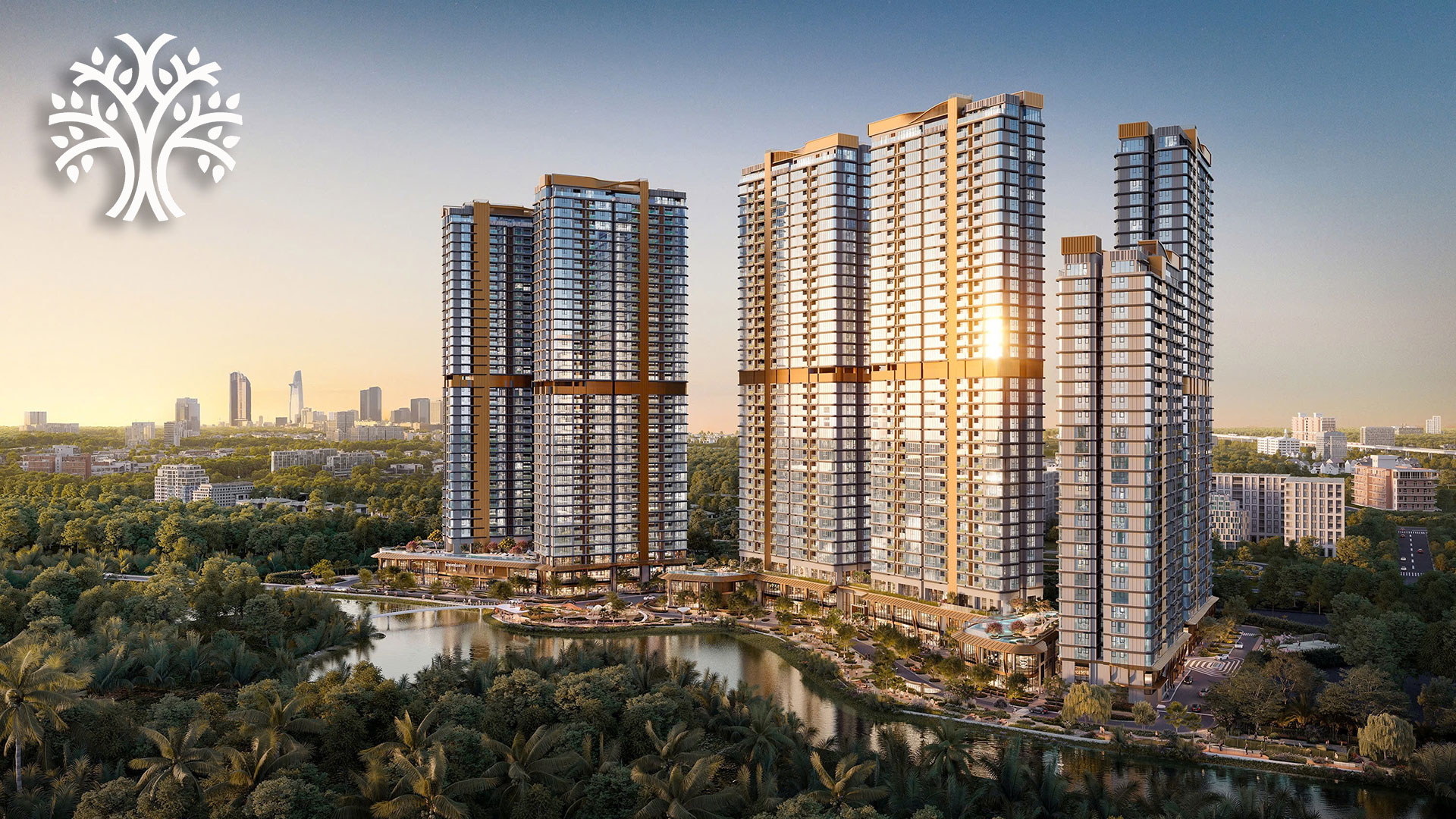
4. Foreseeable Risks: Don’t Get Drunk on the Remittance Wave
However, the rosy picture of foreign currency inflows cannot obscure the potential risks that domestic individual investors must soberly recognize.
-
Rental Competition Pressure: As the number of buyers for rental investment increases, the supply of high-end rental apartments in Ho Chi Minh City will become locally oversaturated in the 2026-2027 period. If you use financial leverage to buy a high-end apartment expecting rising rents, be cautious. Rental prices may stagnate or even slightly decline due to fierce competition.
-
“Ghost Project” Legal Traps: Capitalizing on the central market’s heat, many land brokers are spreading rumors about “phantom” zoning plans in outlying areas to lure inexperienced investors. Keywords like “river-view land plot” or “next to billionaire X’s project” are being spammed. Remember, valuable Ho Chi Minh City real estate always comes with transparent legal status (Pink Book/Land Use Right Certificate or Construction Permit for the main structure). Do not invest in ambiguous “Capital Contribution” contracts during this sensitive period.
5. Post-Binh Ngo Tet Forecast: Where is Ho Chi Minh City Real Estate Headed?
Looking ahead after the Tet holiday (from March 2026 onward), VHouse Vietnam provides the following insights:
-
Infrastructure Resurgence: Immediately after Tet, simultaneous construction fencing for underground stations of Metro Line 2 (Ben Thanh – Tham Luong) and the construction of Ring Road 3 access roads will change Ho Chi Minh City’s traffic landscape. Ho Chi Minh City real estate prices around these areas will experience strong fluctuations.
-
Bank Interest Rates: Although deposit rates are inching up, mortgage loan rates are expected to remain at preferential levels throughout Q1 and Q2 2026 to stimulate early-year credit demand. This is a good opportunity for end-users.
-
Scarcity of New Supply: The “hunger” for projects with clean legal status will persist at least until mid-2026. Therefore, projects already possessing a Pink Book or are in the handover phase will hold a strong upper hand in pricing.
Conclusion
In February 2026, Ho Chi Minh City real estate is asserting its position as the number one capital-attracting channel in the South, despite broader economic challenges. The remittance wave is adding “fuel” to the market, setting the stage for a new growth cycle after Tet.
However, opportunities are only for investors with a long-term vision and solid knowledge. If you are holding cash, observe projects in the Eastern and South Saigon areas meticulously. If you intend to use leverage, carefully consider the monthly debt repayment cash flow.
Don’t forget to follow the next article on VHouse Vietnam, where we will conduct an in-depth analysis of the Long An land plot market – the rising “backyard” of Ho Chi Minh City.